Cortexa Ground Truth
Nº 26 · Explainer · · 5 min read

Tip: once it’s playing, tap any line to jump the audio there.
When an AI shops, what gets picked?
When a shopper asks an AI what to buy, the pick turns on relevance and clean product data the model can read. Here is what earns the spot.
“Our customer didn’t search for us. They asked ChatGPT what to buy, and it came back with three options. We weren’t one of them.” Every team serving a retail or technology client will hear a version of this soon. When an Artificial Intelligence (AI) assistant does the shopping, an old question gets a sharper edge: what puts a product on the short list it hands back?
What is agentic commerce?
The name is clumsy; the idea is simple. Instead of browsing a store yourself, you give the goal to an AI assistant and it does the legwork: it reads product pages, weighs the options, and increasingly can complete the purchase for you. OpenAI put this in front of a mass audience in September 2025, when it launched Instant Checkout1 in ChatGPT and open-sourced the Agentic Commerce Protocol1 it runs on, built with Stripe. More than 700 million people turn to ChatGPT each week1, so this is already a mass-market front door.
Google is building the same road from its side, with an open Universal Commerce Protocol2 and agentic checkout arriving in Search and the Gemini app. Its standard is meant to be compatible with existing protocols like the Model Context Protocol2, the universal plug we covered earlier3. The plumbing is still being poured. What matters for a brand is the shift under it: for a growing share of shoppers, the first thing to see your product is a model.
The agents that use those roads are already here. Meta launched Muse, a personal AI agent7, in the US on September 8, 2026. It can work through a store’s checkout for you. Grok Bot8, from SpaceXAI (formerly xAI), has been able to buy things since late August, with a single-use card for each purchase8. OpenAI followed on September 29 with dots9, always-on agents in some paid ChatGPT plans that can pay with a card you have saved on a merchant’s site10. All three ask for your approval before they spend.
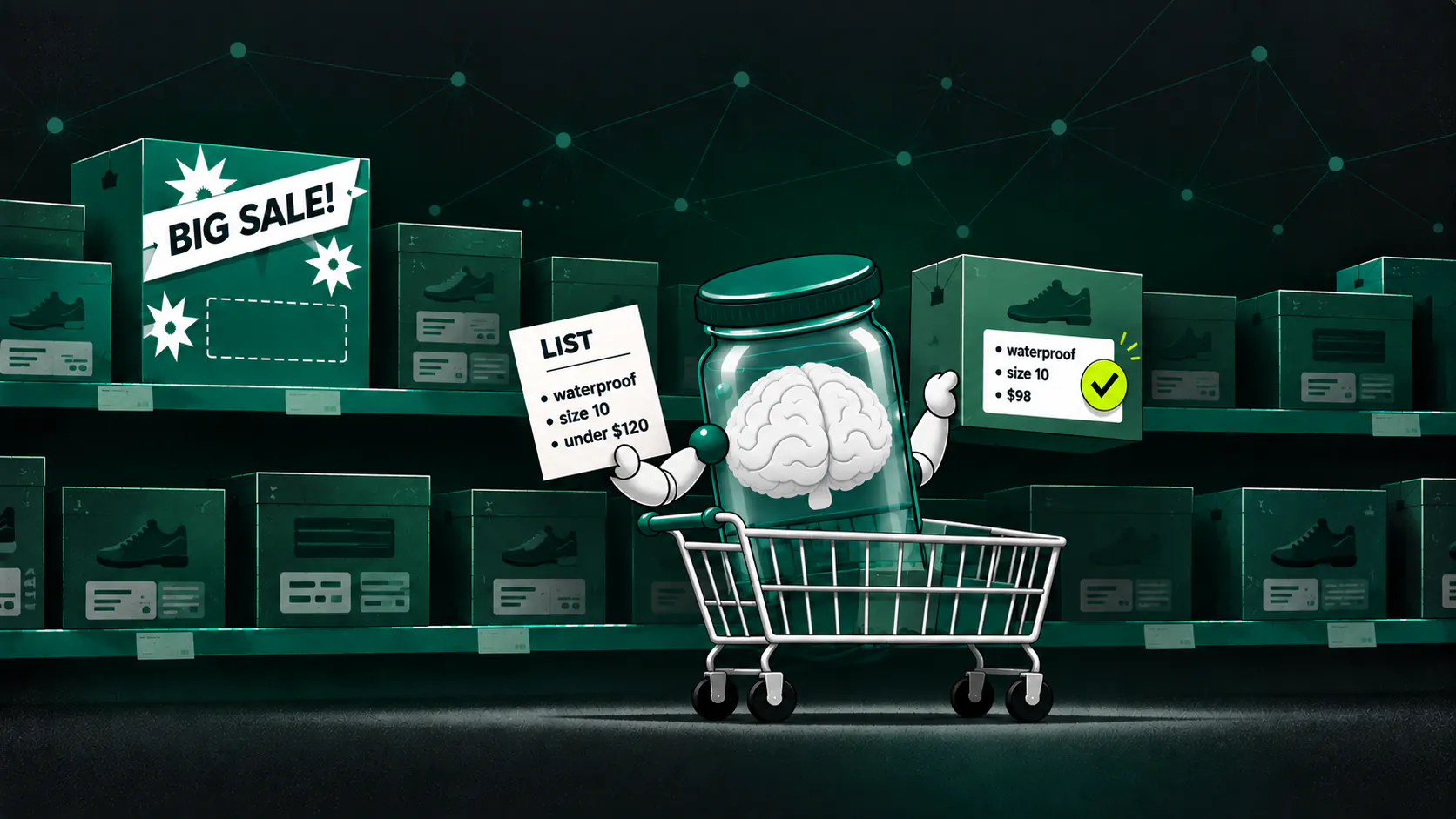
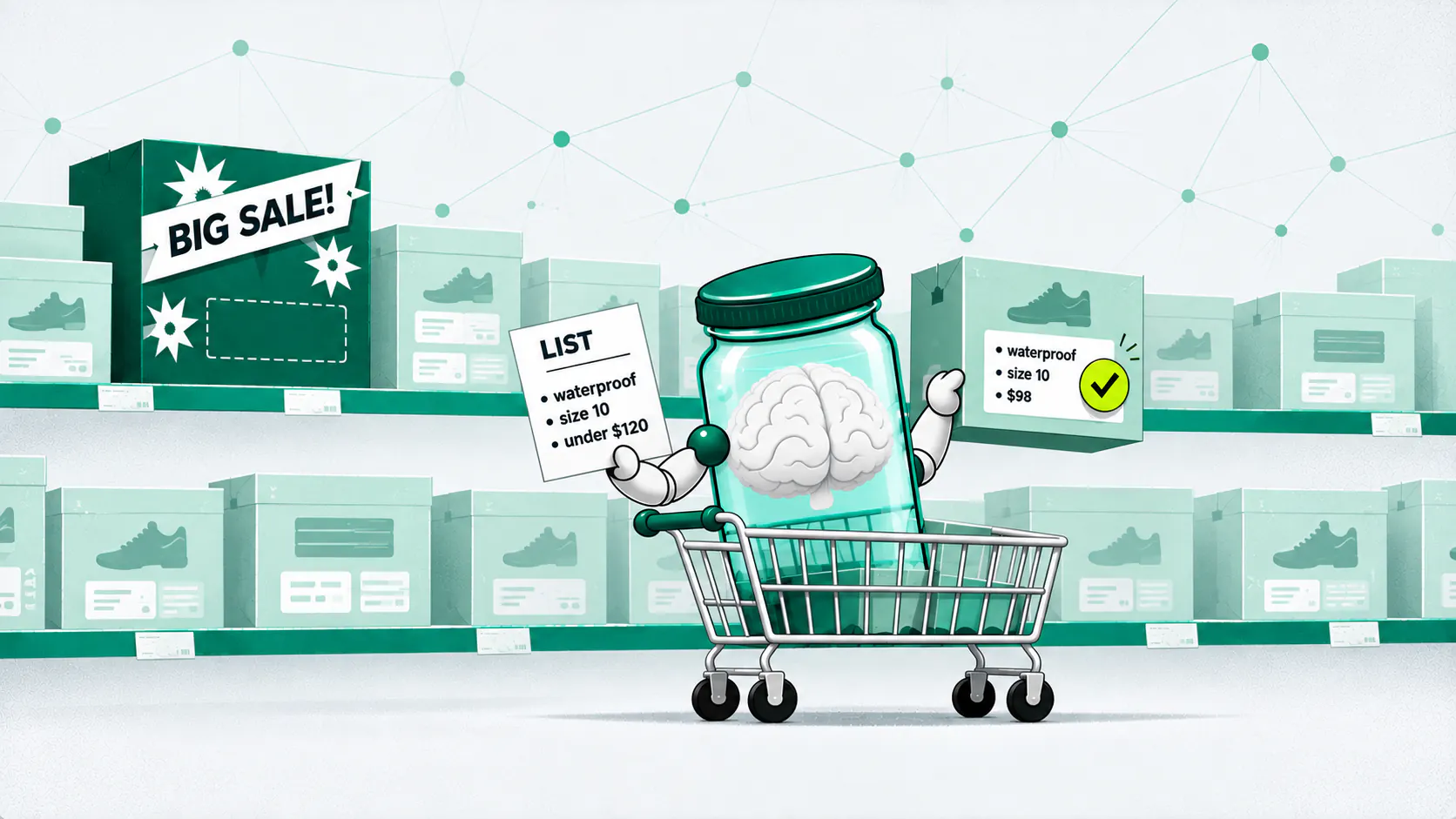
So how does the AI decide what to recommend?
This is the part worth being exact about, because it is where the money is. On ChatGPT, product results are organic and unsponsored, ranked purely on relevance to the user1. OpenAI is blunt that they are selected independently by ChatGPT and are not ads4. A product surfaces when the model perceives it to be relevant to your intent4. Where several merchants sell the same item, ranking leans on availability, price, quality, and whether they are the maker or primary seller4.
A model can only weigh what it can read. It assembles those answers from structured metadata4: the product feeds, catalogs, and pages it can parse. OpenAI now asks merchants to share your product feed5, and for Shopify stores the product data is already integrated into ChatGPT through Shopify Catalog4. Google is doing the same thing under a different name, adding dozens of new data attributes2 in Merchant Center built for discovery that go beyond traditional keywords2 to answers to common product questions, compatible accessories, and substitutes.
The shopper states a goal
“a quiet mechanical keyboard under $120”: intent in plain words
The model reads product data
feeds, catalogs and pages it can parse
It ranks on relevance
availability, price, quality, primary seller
A short list comes back
a few options, each cited to its source
The sale closes on your site
checkout is moving back to the merchant
Skip the data step and a good product never reaches the list.
What's Real?
- The results are earned. OpenAI states its product results are organic and unsponsored1 and not ads4. Getting recommended works much like getting cited.
- Clean, structured product data is the price of entry. A model ranks what it can read, so OpenAI asks merchants to share your product feed5 and Google added data attributes2 built for discovery. Good descriptions and current inventory do the work a banner ad used to.
- Where the sale closes is still moving. OpenAI is moving away from a standalone Instant Checkout experience5 and back toward merchant-owned checkout5, while Google routes buying through Search and Gemini. The discovery layer is the durable part. The buy button is still being worked out.
- A store can still say no. Amazon began blocking Muse11 from Amazon.com on September 20, 2026, and told shoppers the agent broke its Conditions of Use. Its view: agents that buy for customers “should operate openly and respect service provider decisions about whether or not to participate.”11 Amazon has taken Perplexity’s Comet shopping agent to court12 on similar grounds. But an appeals court lifted the injunction Amazon won there in August, and the case continues. Shopify went the other way: a day after Amazon’s block, it announced that Muse can check out with Shop Pay on all Shopify stores13.
- Ads are coming, in their own lane. Google is continuing to test ads in AI Mode2 with a Direct Offers pilot, kept separate from the organic results. Expect a paid track beside the earned one, the way search ads sit beside organic links.
The “so what” — for anyone serving tech clients
- Treat product data as a discovery channel. The feed, the catalog, the product page: that is the surface the model reads. Audit it the way you audit ad creative, because now it does the same job.
- Find where your client’s products already sit. Are they in Shopify Catalog, in Google Merchant Center, on pages a model can read cleanly? OpenAI says Shopify stores are already integrated4; everyone else has to share a feed5 to show up.
- This is the shopping half of getting cited. The same discipline that earns a spot in an AI answer, being worth quoting6 and clearly structured, earns a spot in an AI short list.
- Watch the checkout question, but do not wait on it. Discovery is live now; where the sale closes is still shifting. Get the product legible to the model first, since that is the step every platform already agrees on.
Sources
- OpenAI — “Buy it in ChatGPT: Instant Checkout and the Agentic Commerce Protocol”
- Google — “New tech and tools for retailers to succeed in an agentic shopping era”
- Cortexa Ground Truth Nº 12 — “MCP is just a universal plug”
- OpenAI Help Center — “Shopping with ChatGPT search”
- OpenAI — “Power product discovery in ChatGPT”
- Cortexa Ground Truth Nº 16 — “To be cited by AI, be worth quoting”
- Meta — “Introducing Muse: The World’s First Personal AI Agent Built for Everyone”
- Grok Bot (SpaceXAI) on X — “Grok Bot can now buy things on the internet”
- OpenAI — “Introducing dots”
- OpenAI Help Center — “Dots privacy, security, and safety FAQs”
- GeekWire — “Amazon blocks Meta’s Muse AI assistant in new standoff over agentic shopping”
- Jones Day — “Ninth Circuit Vacates CFAA Injunction Against Perplexity’s Comet AI Agent”
- PYMNTS — “Shopify Brings Shop Pay Checkout Solution to Meta’s Muse AI Agent”
Next Reads
- Explainer
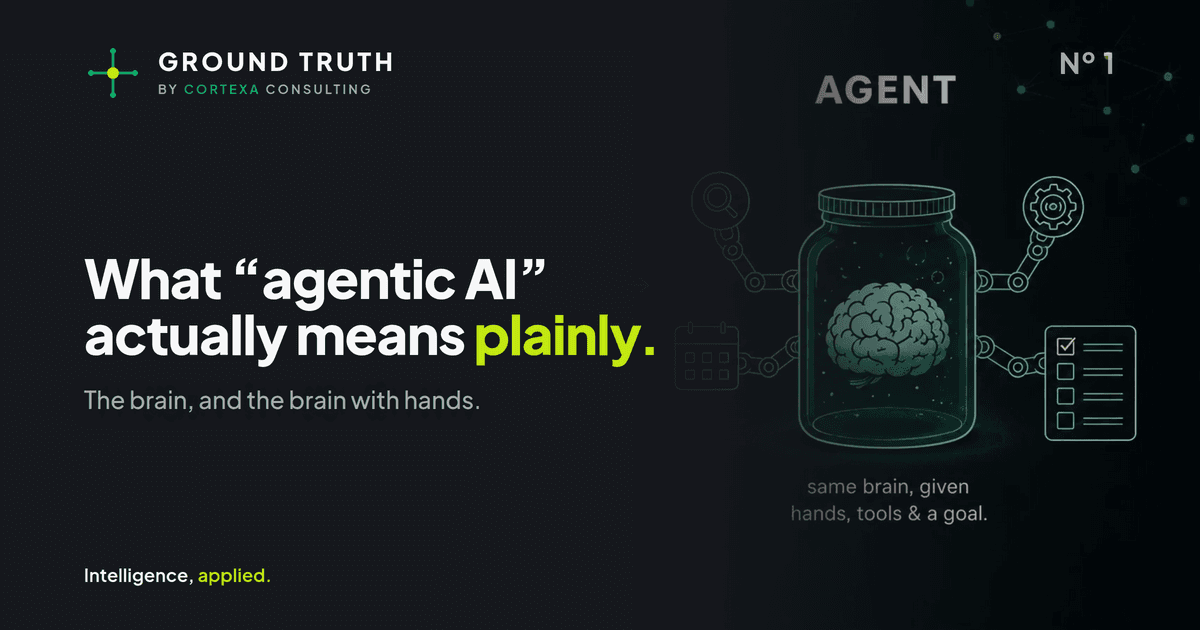
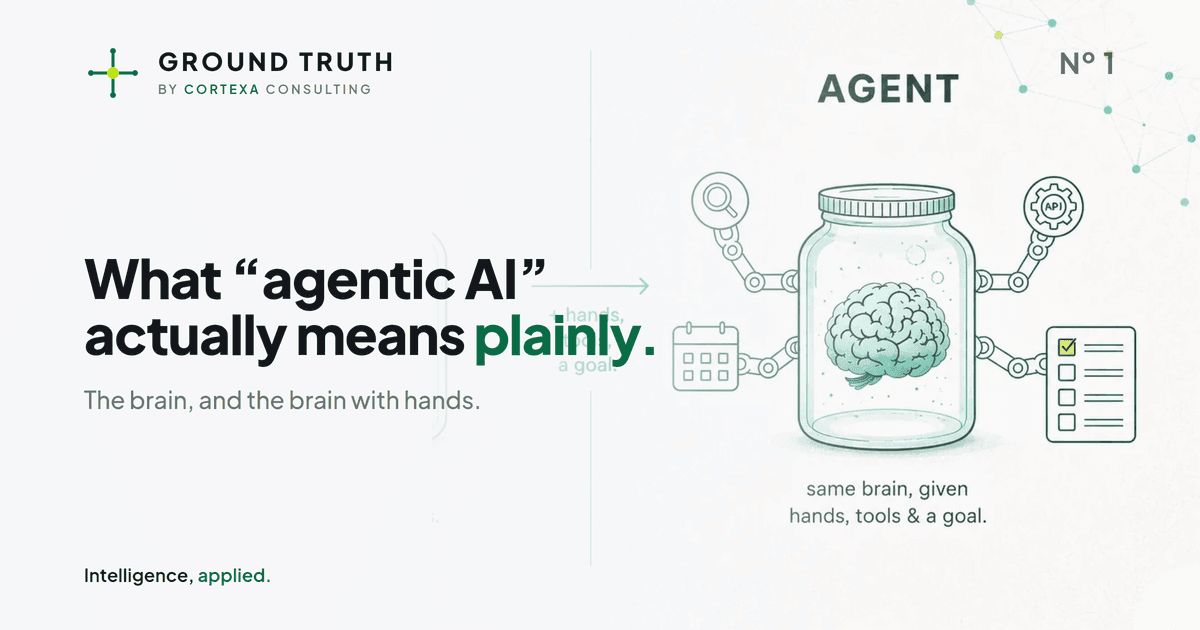
What “agentic AI” actually means
Agentic AI isn't smarter answers — it's software that takes actions toward a goal. Here's what's real, and why it still needs a human in the loop.
- Explainer
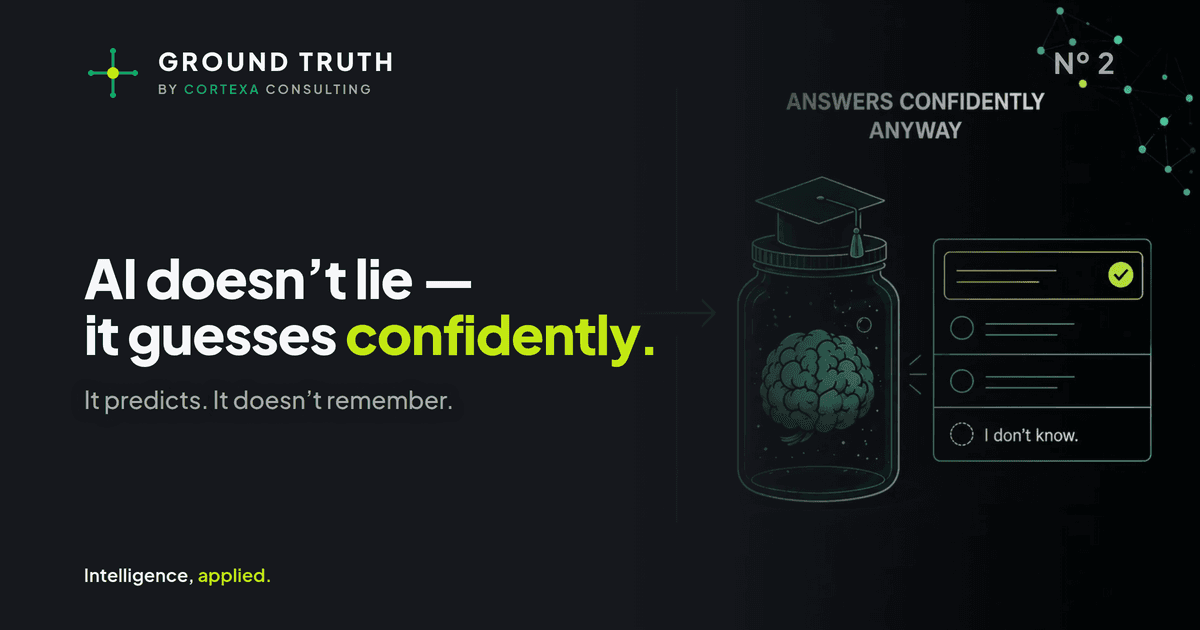
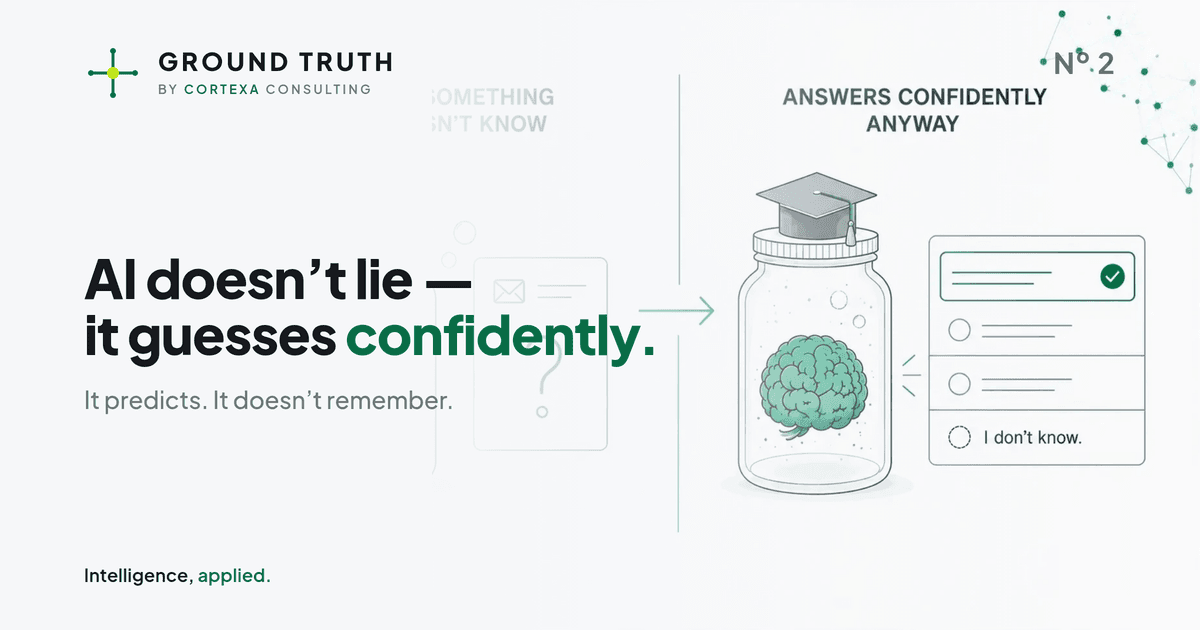
AI doesn’t lie — it guesses
Why Artificial Intelligence (AI) “hallucinates,” in plain English: it isn’t lying — it predicts likely words, and a confident guess can still be wrong.