Cortexa Ground Truth
Nº 5 · Signal · · 2 min read

Tip: once it’s playing, tap any line to jump the audio there.
What a “token” is, and why it's on your invoice.
A “token” is the small chunk of text AI reads and writes — about ¾ of a word. It's what the model's memory is measured in, and what you're billed for.
You see “per 1,000 tokens” on an AI invoice and wonder what you're actually buying. A token is the unit underneath almost every AI price, every limit, and every “it forgot what I said.” Here it is in two minutes.
Models don't read words or letters — they read tokens: short chunks of text, roughly ¾ of a word. Common words are usually one token; longer or unusual words split into several. Your text is broken into tokens on the way in, and the model writes tokens on the way out.
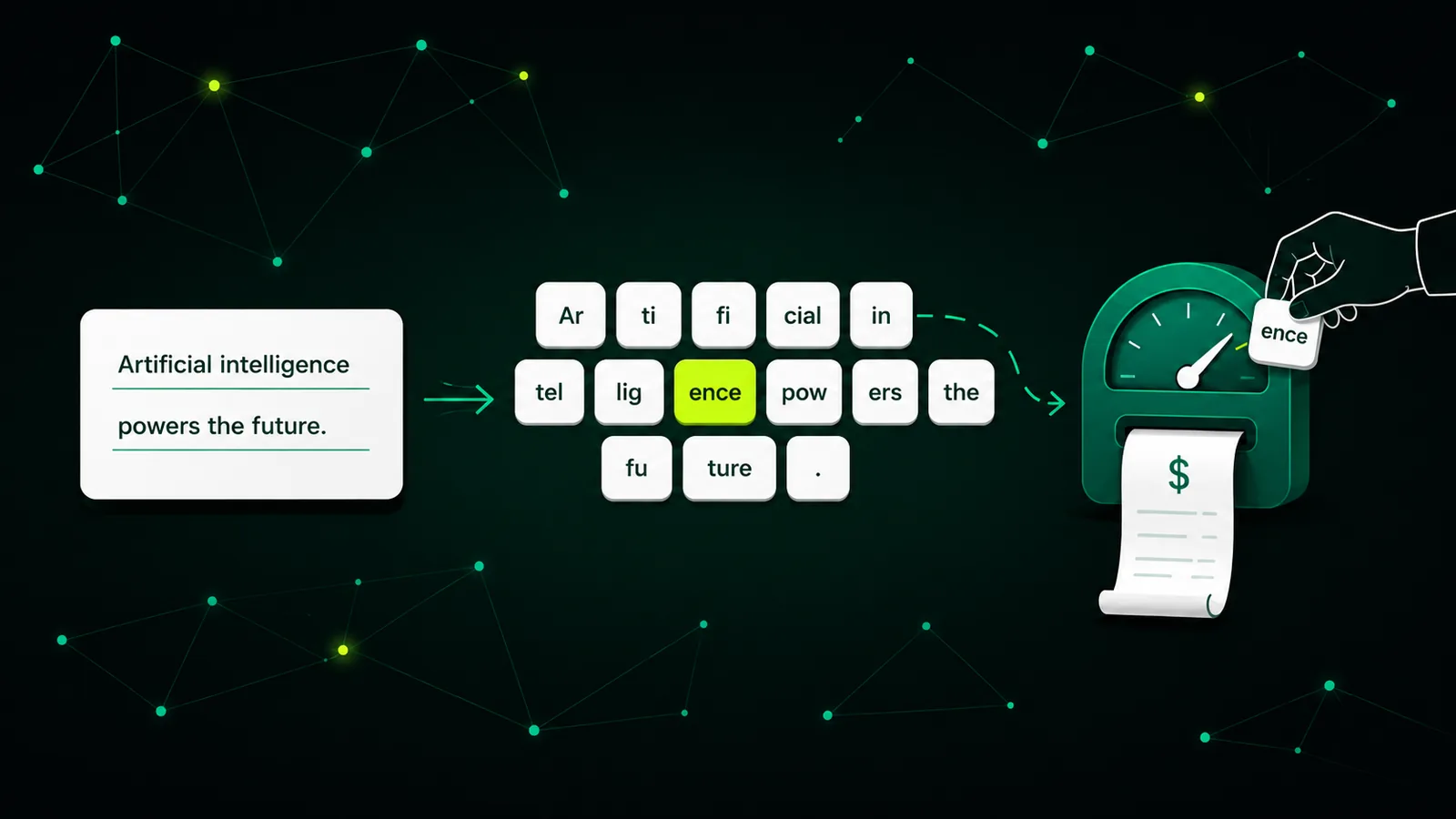
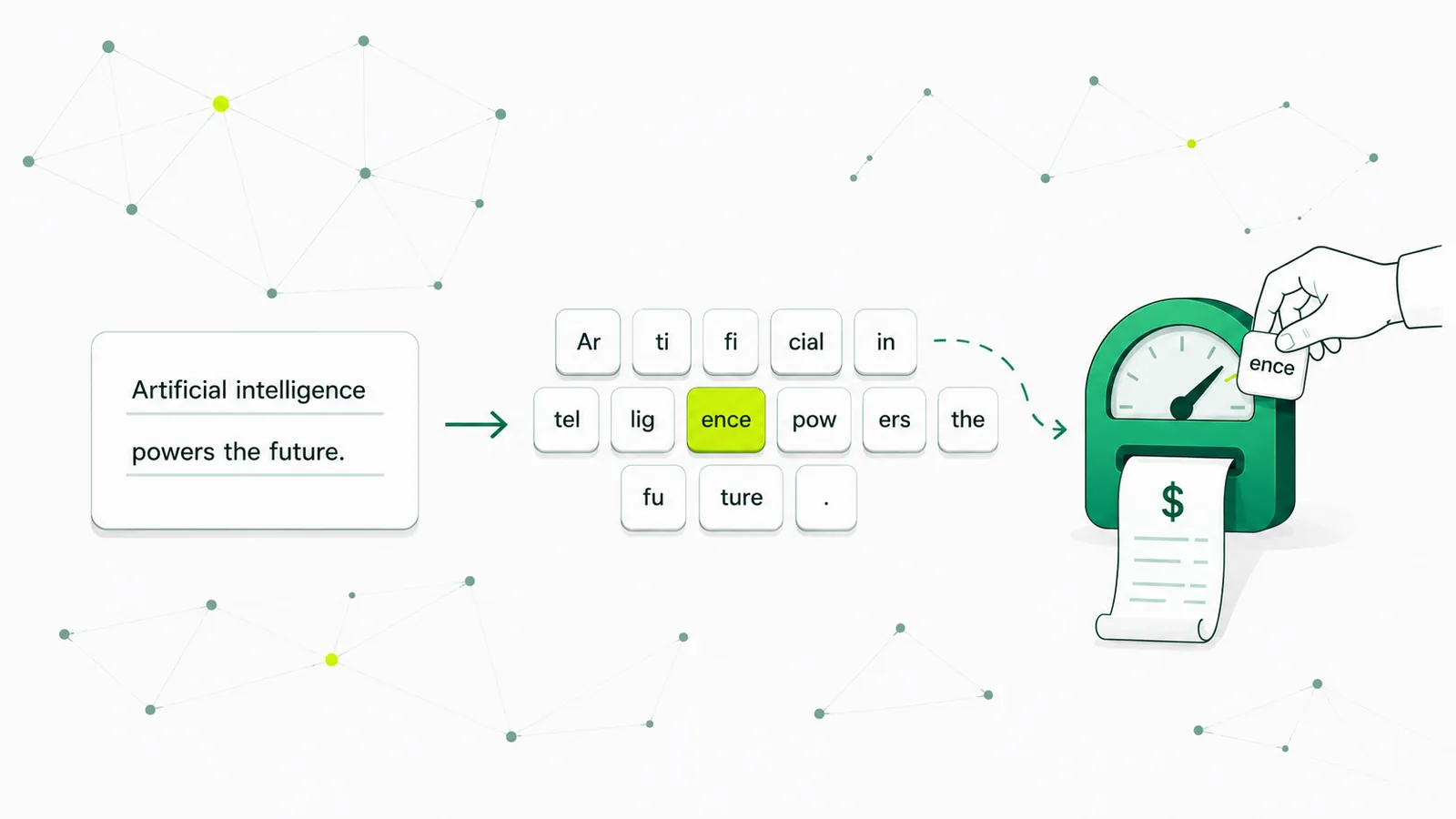
- It's on your invoice because tokens are the meter. Pricing is per token, in and out1 — so a long document or a chatty back-and-forth costs more.
- It's why AI “forgets.” The context window is a token budget for how much the model can hold at once; past that limit, earlier text falls out of view.
- Longer isn't free. Pasting a whole report into every prompt is convenient and quietly expensive — one more reason retrieval (RAG) beats stuffing everything in. (Curious how text becomes tokens? There's a live tokenizer2 you can paste into.)
The “so what”
When you scope an AI feature for a client, scope it in tokens: how big is the input, how long is the output, how often does it run? That's the number that drives the bill — and knowing it is the difference between a margin and a surprise.
Sources
- Anthropic — Pricing (per-token, input and output)
- OpenAI — TokenizerAn interactive tool that shows how a piece of text is split into tokens — included as a hands-on way to see the unit, not as a claim source.
Next Reads
- Explainer
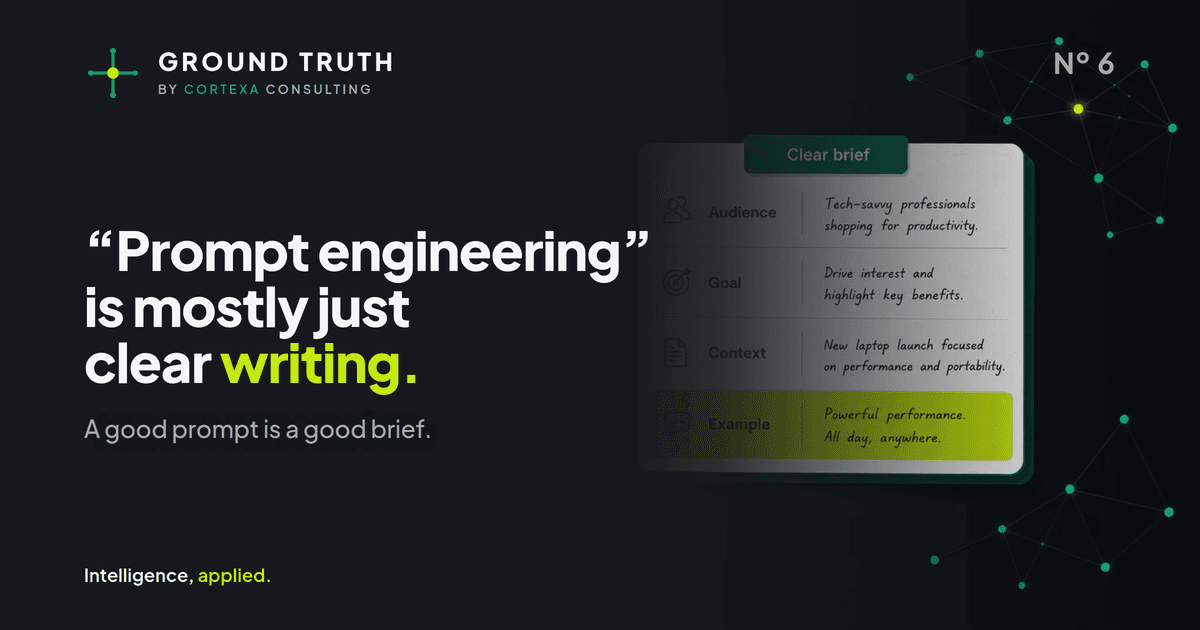
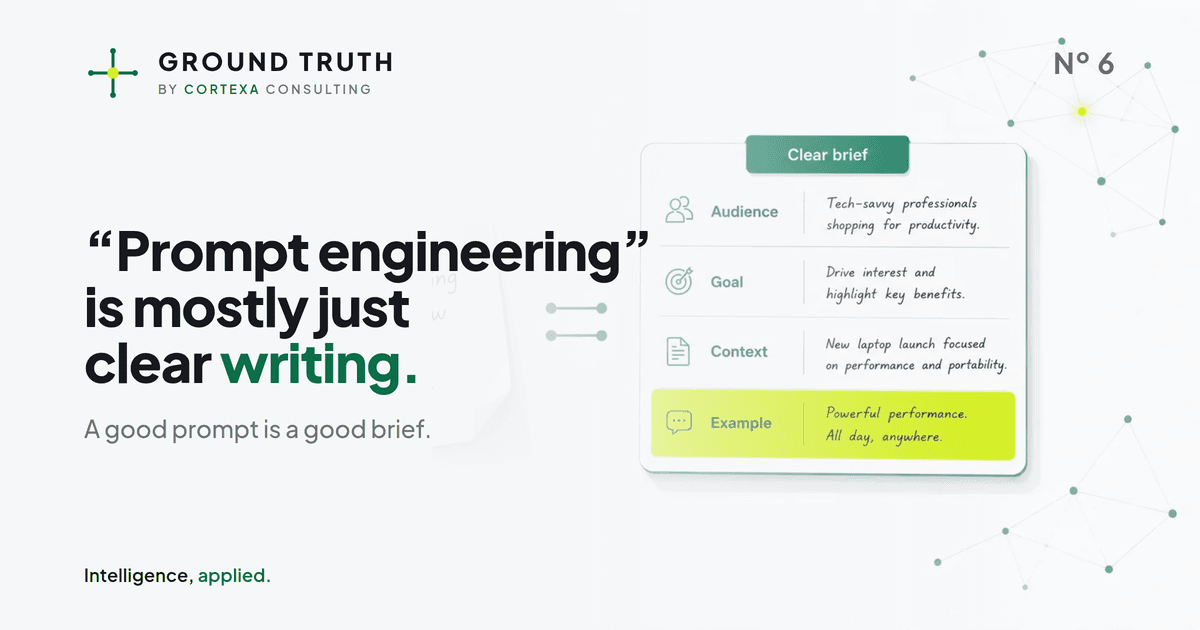
“Prompt engineering” is mostly just clear
“Prompt engineering” isn't secret magic words — it's a clear brief. Be specific, give context, show examples: the skill your best writers already have.
- Explainer
A great demo isn't a shipped
A demo proves Artificial Intelligence (AI) can work once. Production means it works every time — safely, at scale. That gap is where most projects stall.